
Brazil: Colourful costumes and dancing take over Copacabana Pride
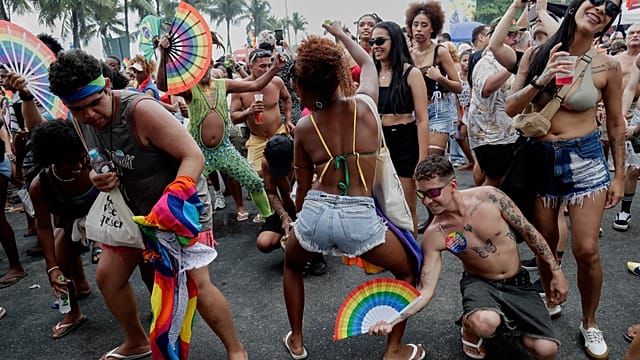
Beneath a record-breaking 141-metre rainbow flag unfurled along Avenida Atlântica, revellers turned Rio de Janeiro’s Copacabana seafront into a roaring celebration of music, ornate drag costumes and pulsing sound trucks for the 31st Rio Pride Parade, one of Brazil’s oldest. Starting from Posto 5 on Copacabana beach and featuring more than 200 artists staged by Grupo Arco-Íris under the banner "We recognise every form of love and existence as legitimate", marked 15 years since 10 judges on Brazil’s Supreme Court unanimously ruled on 5 May 2011 to recognise same-sex stable unions as family units with equal rights and duties. Yet the beachfront euphoria unfolded against a sobering backdrop of persistent hostility: parade coordinator Cláudio Nascimento noted that hard-won judicial milestones, from civil unions and marriage equality to transgender name and gender recognition and the criminalisation of LGBTphobia, have not stemmed day-to-day abuse, with Brazil’s 2026 Atlas da Violência logging 10,250 reports of violence against gay and bisexual people in 2024 (up 5.5% on 2023) alongside a 2.5% rise in cases involving transgender and travesti people. Urging Congress to enshrine court victories into robust legislation and strengthen protections for transgender citizens, organisers made the Copacabana march both a tribute to past breakthroughs and an urgent demand for safety and equality.
Articles similaires
Général
Comment Bassirou Diomaye Faye a contourné le Parlement pour imposer le budget révisé 2026

Xi and Putin meet at APEC summit ahead of trilateral talks with Trump

Haitians welcome deployment of Salvadoran troops as gang violence rages on

Trump, Xi and Putin hold historic trilateral talks on global security
